Search our extensive Laboratory Test Directory to find test codes, ordering recommendations, specimen stability information, Test Fact Sheets, and more.
Recommendations when to order or not order the test. May include related or preferred tests.
May be used to identify HBB gene deletions associated with beta thalassemia, elevated hemoglobin F (such as in hereditary persistence of fetal hemoglobin [HPFH] or delta beta thalassemia), or to confirm gene fusion hemoglobin variants (e.g., hemoglobin Lepore). Inform the laboratory if patient has received gene therapy; test interpretation may be impacted in such cases. For example, certain gene therapies may impact the performance of this test and interpretation of this result; the presence or absence of variants, zygosity, and HBB gene copy number may not be determined in such cases. Inform the laboratory if patient has received gene therapy by submitting the patient history form linked below.
New York DOH Approval Status
Indicates whether a test has been approved by the New York State Department of Health.
This test is New York state approved.
Specimen Required
Patient PreparationInstructions patient must follow before/during specimen collection.
Transport 2 mL whole blood. (Min: 1 mL)
CollectSpecimen type to collect. May include collection media, tubes, kits, etc.
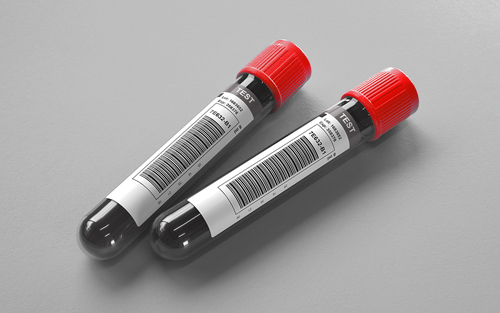
Lavender (EDTA), pink (K2EDTA), or yellow (ACD solution A or B)
Specimen PreparationInstructions for specimen prep before/after collection and prior to transport.
Transport 2 mL whole blood. (Min: 1 mL)
Storage/Transport TemperaturePreferred temperatures for storage prior to and during shipping to ARUP. See Stability for additional info.
Refrigerated. Also acceptable: Ambient.
Unacceptable ConditionsCommon conditions under which a specimen will be rejected.
The American Medical Association Current Procedural Terminology (CPT) codes published in ARUP's Laboratory Test Directory are provided for informational purposes only. The codes reflect our interpretation of CPT coding requirements based upon AMA guidelines published annually. CPT codes are provided only as guidance to assist clients with billing. ARUP strongly recommends that clients confirm CPT codes with their Medicare administrative contractor, as requirements may differ. CPT coding is the sole responsibility of the billing party. ARUP Laboratories assumes no responsibility for billing errors due to reliance on the CPT codes published.
* Component test codes cannot be used to order tests. The information provided here is not sufficient for interface builds; for a complete test mix, please click the sidebar link to access the Interface Map.

 Connect Sign In